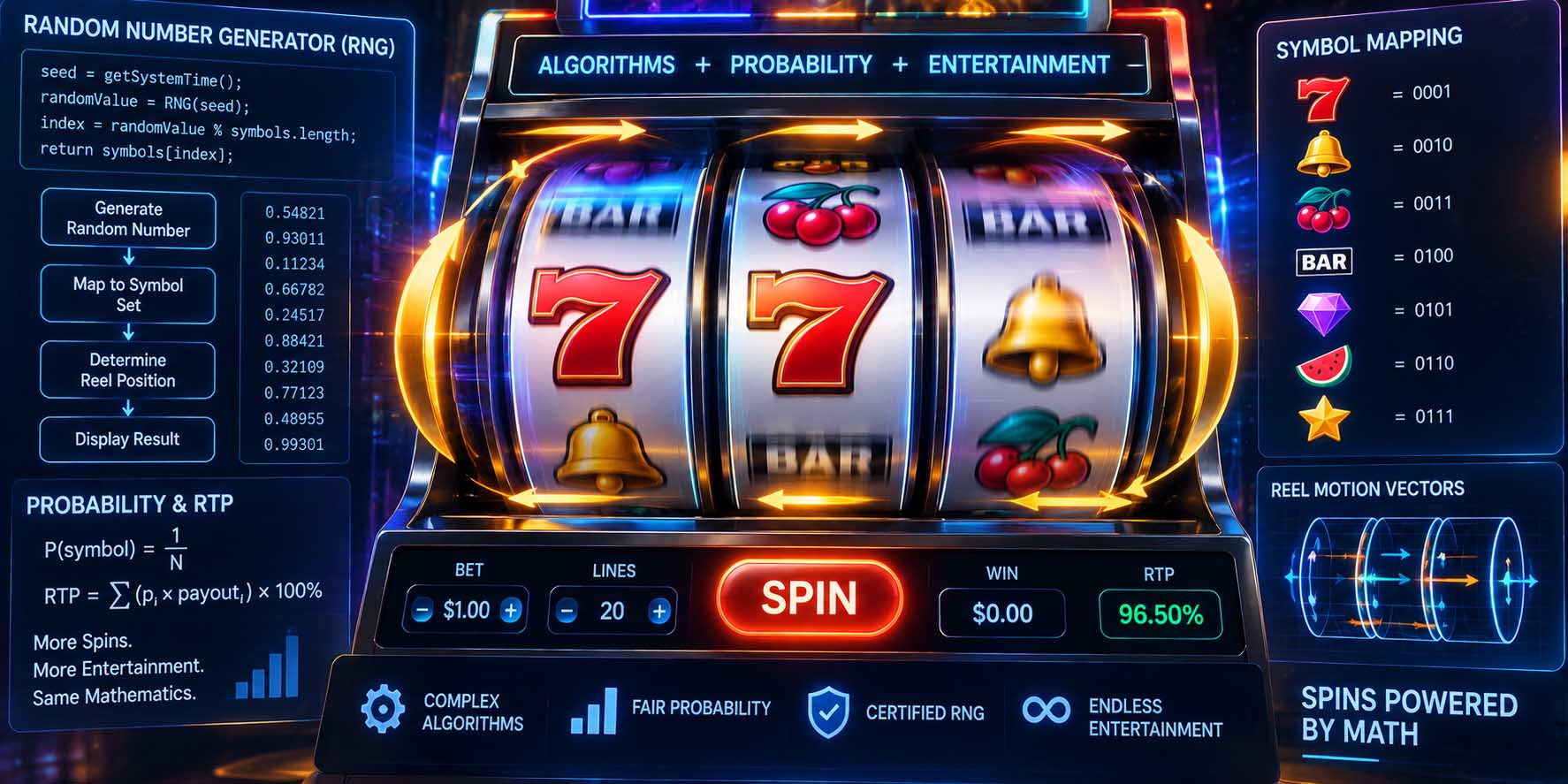
In the evolution of electronic gaming and digital amusement machines, the physical heavy metal reels of traditional mechanical slot machines have been entirely replaced by sophisticated software algorithms. While visual animations on modern screens still mimic the momentum, bouncing, and stopping motions of physical drums, the actual mechanics behind the movement are governed strictly by code. The physics of digital reel spins provide a fascinating look at how software engineers simulate physical momentum, momentum decay, and pseudo-random outcomes within digital interfaces.
Understanding how pseudo-random number generators operate, why simulated physics matter for user experience, and what mathematical models govern digital reel outcomes allows players and designers to appreciate the complexity behind virtual gaming systems.
From Mechanical Gears to Algorithmic Code
Early mechanical slot machines relied on physical springs, gear teeth, and weighted stoppers to determine where reels would halt. The physical resistance and weight of the metal components dictated how long a spin would last.
In contrast, modern digital slots use specialized rendering engines to create the illusion of physical motion. When a user initiates a spin, the visual reels do not actually determine the outcome as they spin; instead, the result is computed instantaneously by the software backend the moment the button is pressed, and the animation simply plays out to match that predetermined outcome.
Core Elements of Digital Spin Simulation
Simulating realistic physical behavior on a flat digital screen involves several key computational components:
- Pseudo-Random Number Generation (PRNG): The core mathematical algorithm that selects symbol outcomes from a vast pool of possibilities with absolute statistical impartiality.
- Momentum and Deceleration Curves: Programmed animation timelines that mimic gravity, initial acceleration, and gradual friction as the visual reels come to a halt.
- Timing Synchronization: Ensuring that audio cues, visual bounces, and stopping animations align seamlessly to create a satisfying, realistic sensory experience.
Exploring Online Platforms and Digital Entertainment Access
Navigating digital entertainment platforms and online gaming portals requires robust infrastructure, secure account management, and reliable access directories that ensure stable platform connectivity.
When examining how digital platforms organize user access, manage alternative connection links, and provide secure navigation pathways across online networks, utilizing verified resource hubs—such as checking the slot online gacor reference portal—illustrates how digital environments coordinate alternative entry points, though underlying software engines, graphic frameworks, and platform features vary widely across individual sites.
Best Practices for Game Design and Smooth Animations
To ensure that digital reel animations feel natural and responsive without causing performance lag, developers adhere to structured design standards:
- Optimize Frame Rates: Ensure that reel animations maintain a steady 60 frames per second to prevent stuttering or visual jitter during rapid spins.
- Decouple Animation from Logic: Always calculate game outcomes on the server side before initiating visual animations to guarantee absolute fairness and security.
- Enhance Micro-Feedback: Use subtle visual shakes and sound effects when reels lock into place to heighten the tactile illusion of physical weight.
Common Questions About Digital Reel Mechanics
Do digital reels actually spin to determine outcomes?
No. The final outcome is determined instantly by a random number generator the moment the spin begins; the spinning animation is a visual representation designed for user engagement.
How do developers simulate physical gravity in digital animations?
Developers use easing functions and custom deceleration curves in CSS or graphics engines to make symbols slow down gradually rather than stopping abruptly.
Can players predict where a digital reel will stop?
Because the outcomes are governed by secure random number algorithms, previous spins have no bearing on future results, making prediction impossible.
Conclusion
The physics of digital reel spins represent a seamless blend of advanced mathematics, software engineering, and visual artistry. By combining instantaneous random number generation with carefully crafted animation curves, modern digital platforms deliver engaging, smooth, and authentic entertainment experiences.